Can railings be fitted to an existing wall?
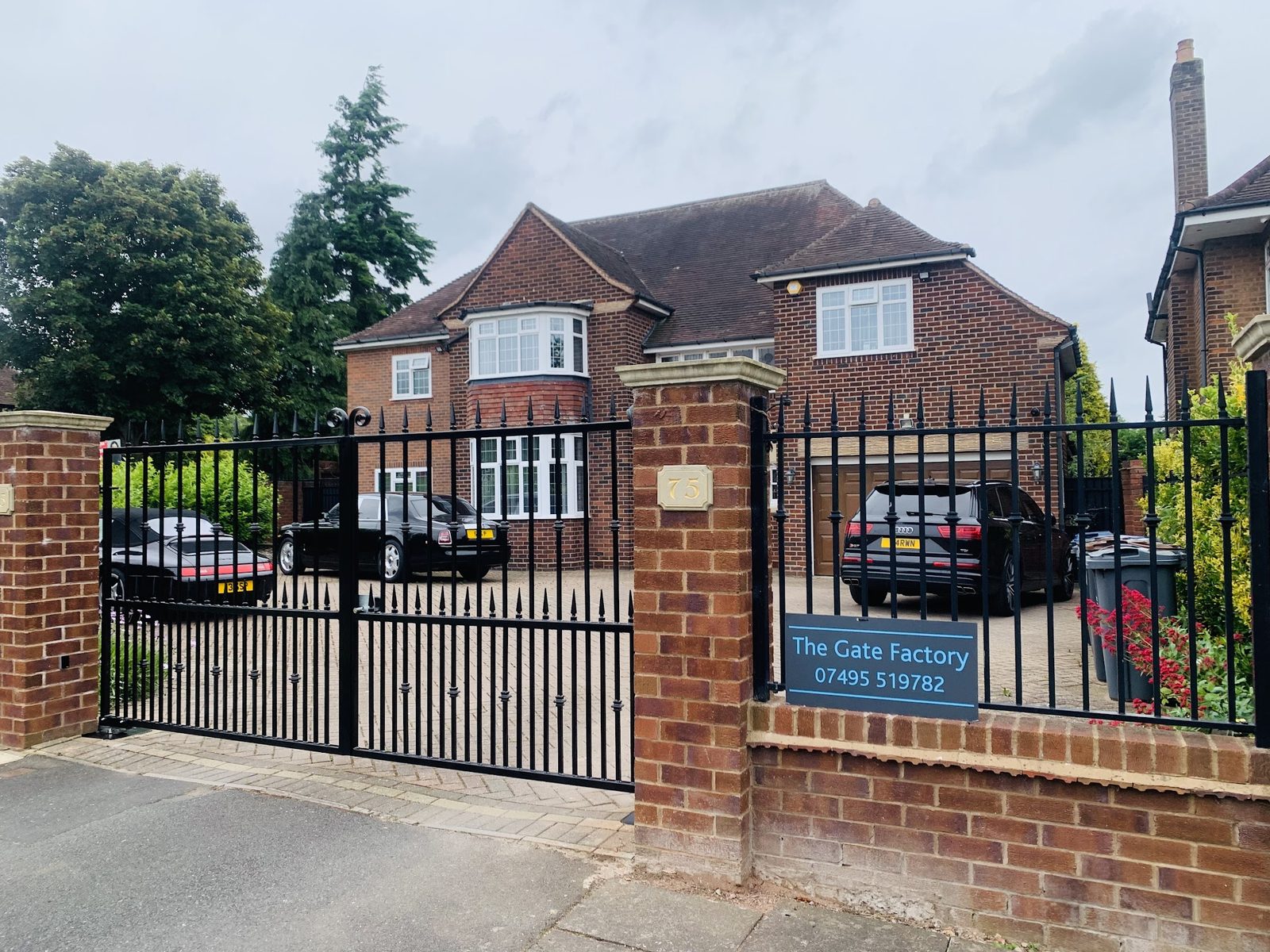
Usually, yes. Most low front walls will take railings core drilled into the coping or the brickwork and resin fixed. What we check first is the state of the wall: soft mortar, loose copings or a wall that is already leaning will not hold a railing for long, and we will tell you that before we quote rather than fixing into something that is on its way out.
How high should front railings be?
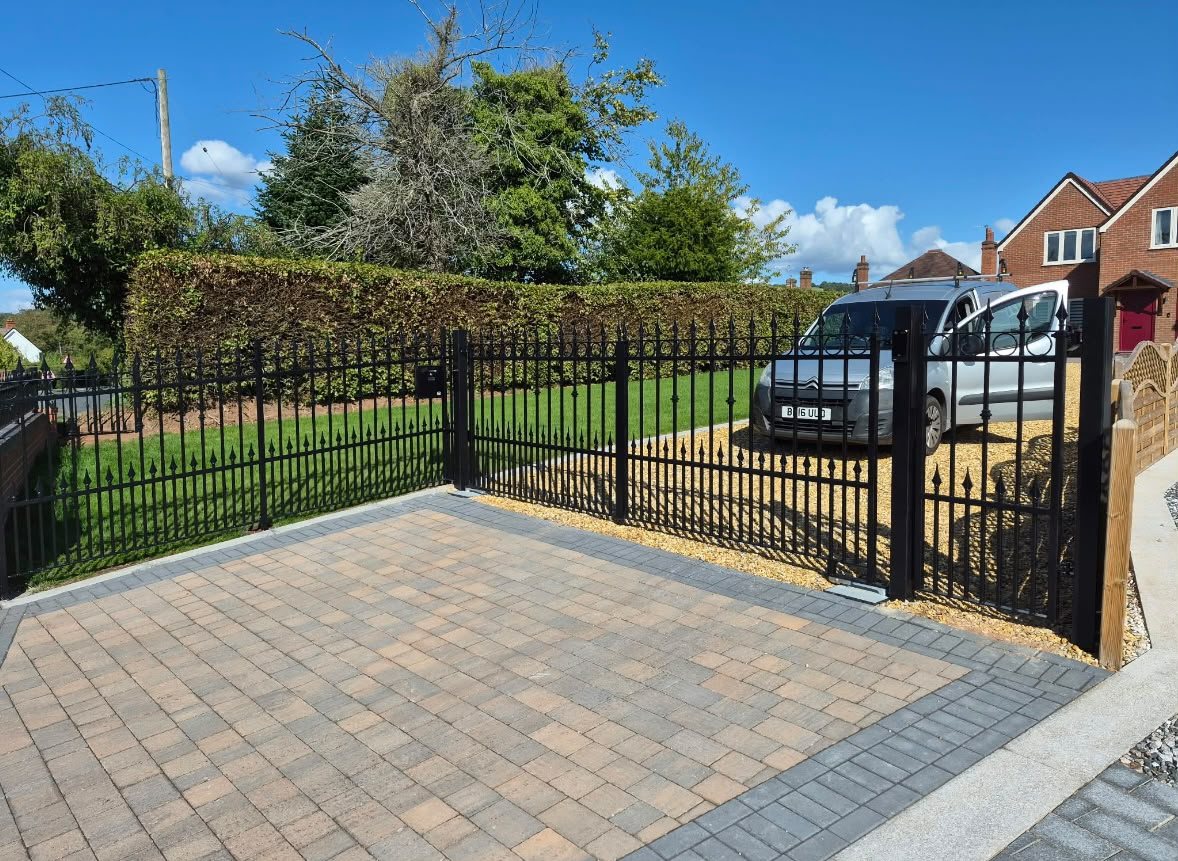
For an ordinary front wall, low railings that keep the frontage open are usually the right answer, and if the point is to stop a dog or a child getting to the pavement, higher with tighter bar spacing. There can be planning restrictions on height at a boundary with a road, particularly on a corner or where visibility matters, so it is worth a word with the council if you are going high.
Can you match the railings on the rest of the street?
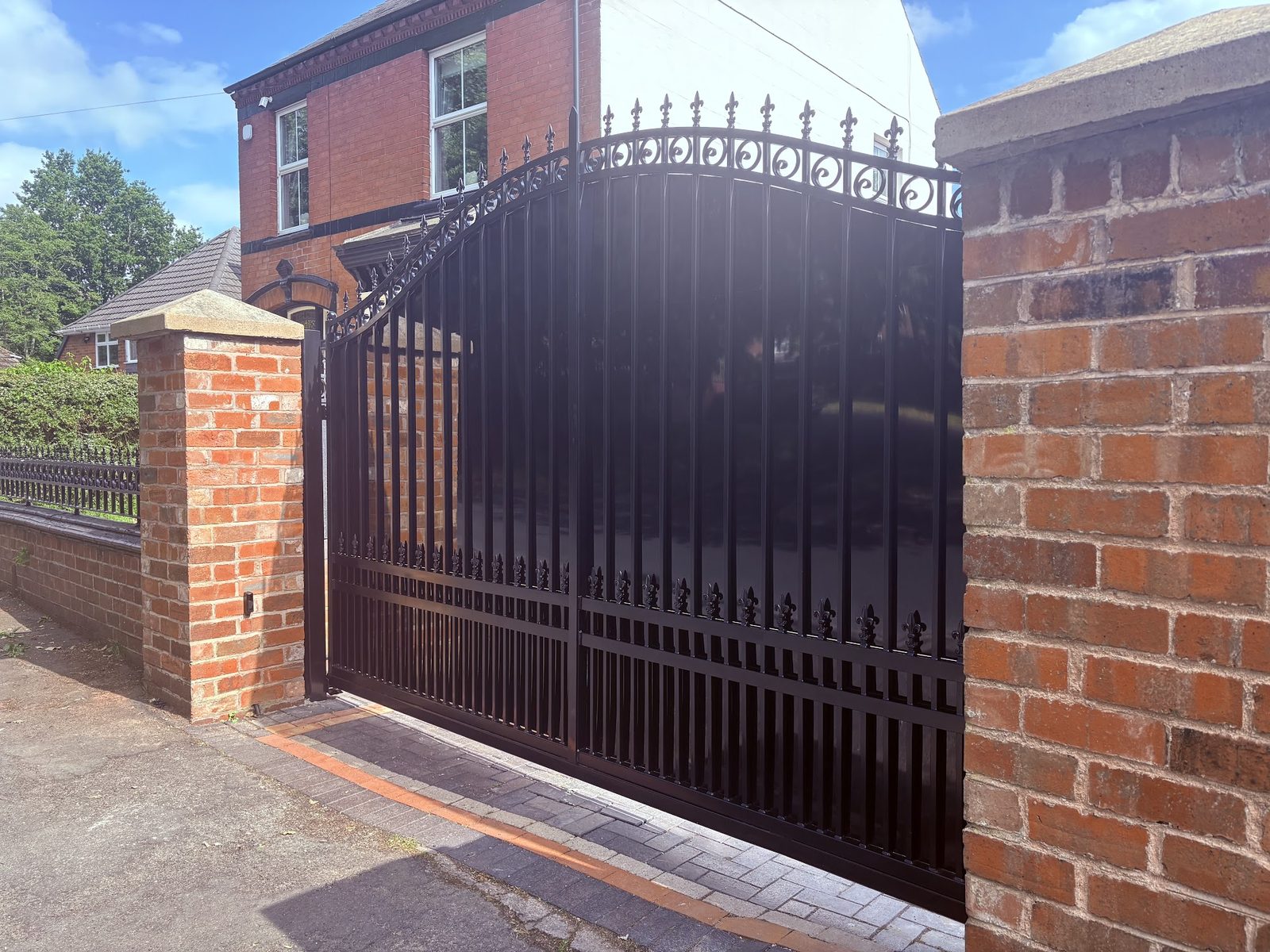
Often we can get very close. Send a photo or we will come and look, then match the bar diameter, spacing, height and top detail. On old cast work an exact match is not always possible in fabricated steel, and we will show you the difference rather than promise something that will look wrong once it is up.
Do you do balustrades for steps?
Yes, handrails and balustrades for entrance steps, split levels and small flights. The rail gets raked to the pitch of the steps so it runs true, and the fixings are set into the flank wall or into the treads depending on what is there. Tell us the number of risers and we can talk about it properly.
What finish do the railings come in?
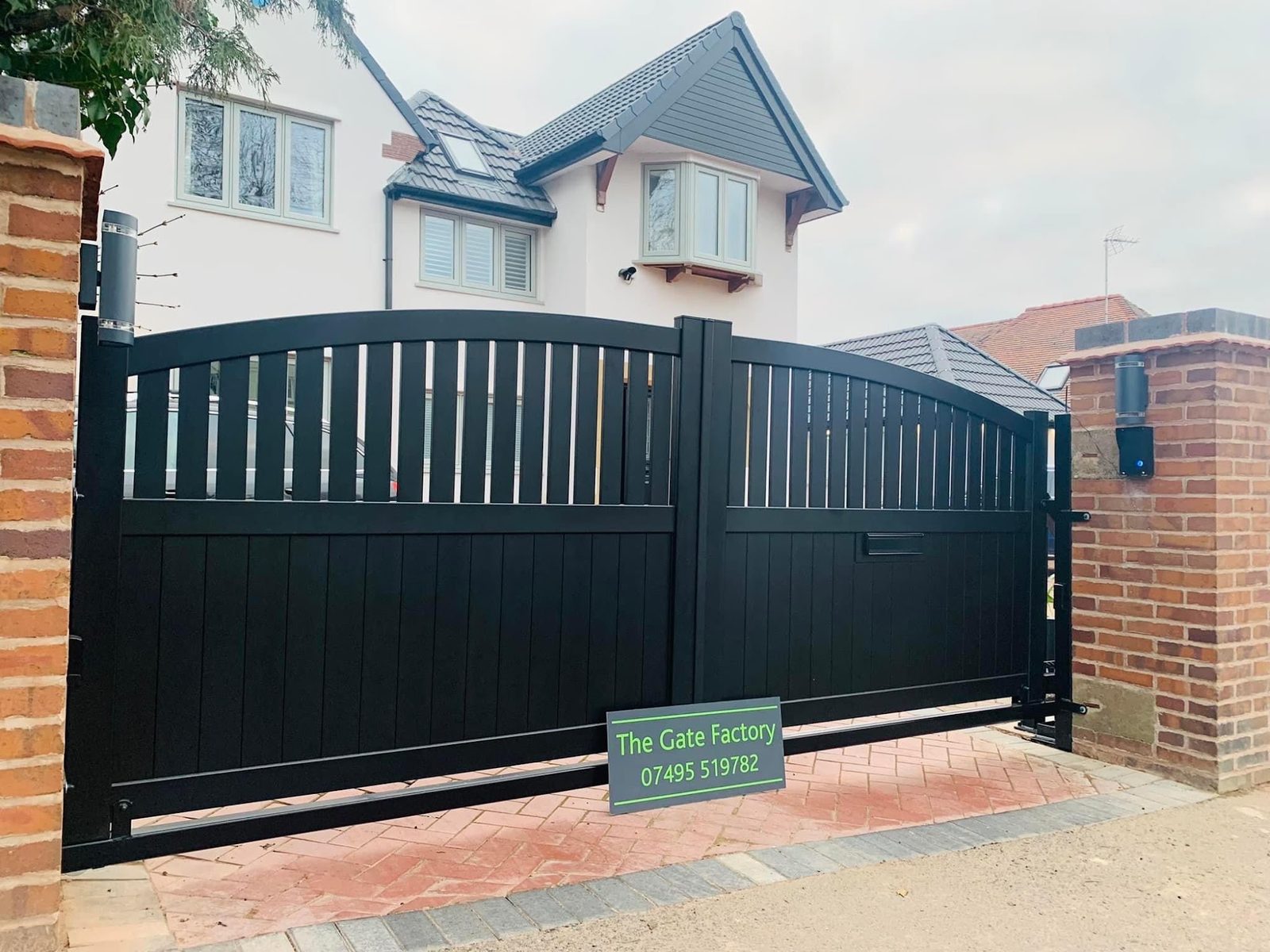
Standard is a prepared and painted finish, most commonly black, which is what suits the majority of frontages around here. Other colours are no problem, and where the railings are somewhere particularly exposed we will talk you through what will hold up best.
Can you repair existing railings instead of replacing them?
Yes, and frequently that is the better answer. Broken sections can be cut out and new work let in, loose fixings can be re-drilled and reset, and old railings can be cleaned back and repainted. If the base of every upright has rusted through, replacement is the honest answer and we will say so.